
Sep
When you go to Maxbet Casino, you step into a space where the polished feel of a land-based location meets the accessibility of digital play. The live dealer experience sits at the heart of that intersection, streaming real dealers from professional studio environments directly to your screen. We have noted that many players initially come to these tables with the same habits they use on automated RNG titles, only to find that the rhythm, interaction, and pace require a completely different mindset. Knowing how the live dealer environment operates, what equipment powers it, and which strategic adjustments improve your sessions transforms casual curiosity into confident participation. We want to guide you through the mechanics, the game varieties, the technical requirements, and the etiquette that shape genuine live casino play.
The broadcast starts from a dedicated studio or a cordoned casino floor area. Multiple high-definition cameras capture overhead angles, close-ups, and wide shots, while optical character recognition instantly reads every card and overlays values on your screen. A game control unit encodes the stream and syncs it with your betting interface, securing the feed with redundant streams to prevent downtime. Dealers follow precise scripts under pit boss supervision, switching every 40–60 minutes to stay sharp. Third-party auditors routinely check shuffling machines, wheel calibration, and optical readers. This infrastructure, costing millions, guarantees every shuffle and spin happens transparently, just as it would in a physical casino without the travel.
Funding options usually encompass debit/credit cards, e-wallets like Skrill and Neteller, prepaid vouchers, and bank transfers. Card and e-wallet deposits appear instantly, letting you jump from the cashier to the live lobby in seconds. Withdrawals vary: e-wallet cashouts often are processed within 24 hours after approval, while card returns may take two to five business days. The first withdrawal triggers KYC verification; submitting documents promptly hastens the process. Some platforms feature a pending reversal window, but we regard withdrawals as final decisions. Reviewing the cashier FAQ beforehand explains limits and timelines, taking away guesswork about which method is best for your region and schedule.
Outside of traditional tables, game show hybrids such as Crazy Time, Monopoly Live, and Mega Ball combine spinning wheels, dice rolls, and multiplier parts with energetic hosts maxbetcasino.gr. A tall vertical wheel or ball-draw machine sits centre stage, and the host generates anticipation. These games usually offer lower minimum stakes and a large range of bonus features that increase payouts, but the base house edge tends to be greater than standard roulette. Once the wager window closes, you simply watch; this passive nature appeals when we desire the live environment without strategic decisions. The chat area frequently becomes more animated, with players responding to multiplier landings. We consider these hybrids as a valid expansion of the live dealer concept, drawing in a wider audience.
The captivating pace can stretch sessions without you realizing, so we set a firm session limit and break it into units equal to the table minimum. A €100 bankroll on a €1-minimum roulette table provides 100 base units, withstanding normal variance. Live interfaces show balance, current bets, and recent history on one screen; glancing at these every five to ten rounds keeps awareness. We also configure a timer for 45–60 minutes to encourage a break. Stepping away for a single hand safeguards your bankroll from unmonitored decisions. Many platforms provide deposit limits and reality-check reminders that you can enable in account settings, providing a passive safety net without affecting play.
A licensed live dealer studio holds a gambling licence from a approved jurisdiction, undergoing regular inspections of shuffling machines, wheel balance, and optical recognition equipment. The connection between your device and the game server operates under TLS encryption, protecting bet data and personal details. Payment processing follows anti-money-laundering protocols, requiring identity verification (KYC) before withdrawals. While the first withdrawal may take longer, subsequent ones process faster once verified. Independent testing houses like eCOGRA, iTech Labs, or GLI publish certification reports, confirming ongoing monitoring. The physical nature of the equipment makes manipulation identifiable, and three-layer result verification avoids errors. We check for these seals to ensure the platform meets regulatory standards.
Human dealers are professional staff who manage table flow, call results, and answer chat. The physical actions of shuffling and spinning generate natural pauses, providing you about 15 seconds to act on a standard blackjack hand. We quickly adapt to this rhythm by presetting chip denominations and monitoring the timer bar. The chat feature provides a social layer; a cordial comment often receives a verbal reply, reinforcing that real people are stationed on both sides. Dealers receive training in camera awareness and balanced dialogue, never giving gameplay advice but executing fluid card sweeps and exact wheel spins. This sleek professionalism separates live tables apart from computer-based products.
All cards passes over an integrated scanner or under a camera running optical character recognition, which interprets suit and rank in split seconds. The interface then identifies winning hands and refreshes your balance. Mistakes are rare; if one occurs, the pit boss fixes the record before the round continues. Roulette tables use sensors in the wheel bowl compared with high-speed cameras to lock the winning number within a second. For dice games like Sic Bo, glass-enclosed shakers with vibration sensors record outcomes. Three independent layers—dealer, optical reader, and software middleware—must align before funds settle, making errors nearly impossible to slip through unnoticed.
Live dealer play holds a unique middle ground: it takes the tactile reality of physical casinos—real cards, wheels, and dealer voices—but delivers it through your device. You bypass dress codes, travel, and crowded tables, yet the fixed human pace is not adjustable. This rhythm prevents rapid-fire tilt betting and offers breathing room. Transparency is another key distinction; you see the roulette ball bounce and cards leave the shoe, with slow-motion replays confirming outcomes. Small human imperfections, like a fumbled card reveal, bring authenticity. The combination of visible mechanics and realistic tempo causes live play feel less abstract than clicking a ‘deal’ button, which explains its rapid growth.
After adding money to your account, enter the live casino lobby, which displays table thumbnails with dealer images, minimum bets, and seated player counts. Choose a table, and the stream loads. Before betting, locate the timer bar, chat box, balance display, and rules icon—a quick orientation stops missed deadlines. Choose a chip denomination, then tap the felt to place your wager. The dealer states when betting closes. In decision-based games like blackjack, hit, stand, double, and split buttons become active once cards appear; the system grays out unavailable actions. We suggest going with flat bets at the table minimum for the first few rounds to get used to the timing before increasing.
Advantages include human interaction, transparent dealing, a relaxed pace, and the ability to play multiple tables simultaneously—something physical casinos cannot replicate. The chat function adds a light communal aspect without face-to-face pressure. Disadvantages arise during peak hours when standard blackjack seats fill, forcing Bet Behind or alternative variants. The slower pace may frustrate players with limited time, and streaming demands a stable connection; a Wi-Fi backup or strong 4G/5G signal helps. Live table minimums often start higher than RNG equivalents due to operational costs, though roulette allows fractional chip bets. We evaluate these trade-offs based on mood: live tables for atmosphere-rich evenings, RNG for quick low-stakes sessions.
Real tables often include additional wagers like Perfect Pairs or Twenty-One Plus Three, which introduce more risk and a larger house edge. We treat them as sporadic extras, not the main course. Roulette tables frequently provides racetrack layouts for neighbour and tier bets. Because real blackjack deals only 40–80 hands per hour—far more gradual than turbo RNG variants—the bankroll endures more in minutes but concentrates choice opportunities. We suggest having a basic strategy card nearby, as the timed window forces instinctive betting. In baccarat, the slower speed gives more time to examine electronic roadmaps. Accepting the tempo as a benefit rather than a weakness lets you appreciate the physical atmosphere on its own conditions.
Live streams load directly through mobile browsers using HTML5, with no app needed. Touch targets adjust for portrait or landscape orientation, ensuring the dealer visible above the bet panel. Devices from the last three to four years handle streams smoothly; older phones can change to a lower quality preset. Tablets provide a generous screen that cuts down on mis-taps, while desktop is the reference experience, especially with multiple monitors. The full range of roulette, blackjack, baccarat, and game show tables shows up on any device, and landscape mode often improves button spacing on small screens. We find the experience consistent across platforms, with only minor adjustments needed for optimal comfort.
Dependable live play hinges on low-latency streaming protocols and HTML5 players that adjust resolution from 720p to 4K based on your connection. The betting panel sits directly on the video, cutting out tab switching. A stable 5 Mbps connection delivers smooth HD; the platform easily downgrades on weaker signals. High-quality microphones capture card shuffles, ball clicks, and dealer announcements, boosting authenticity. A moderated chat enables you message the dealer, who answers verbally. The system records every bet and transaction for easy review. This blend between physical studio and digital interface has been perfected through millions of hands, and regulatory bodies require periodic testing of the streaming infrastructure to identify any faults.
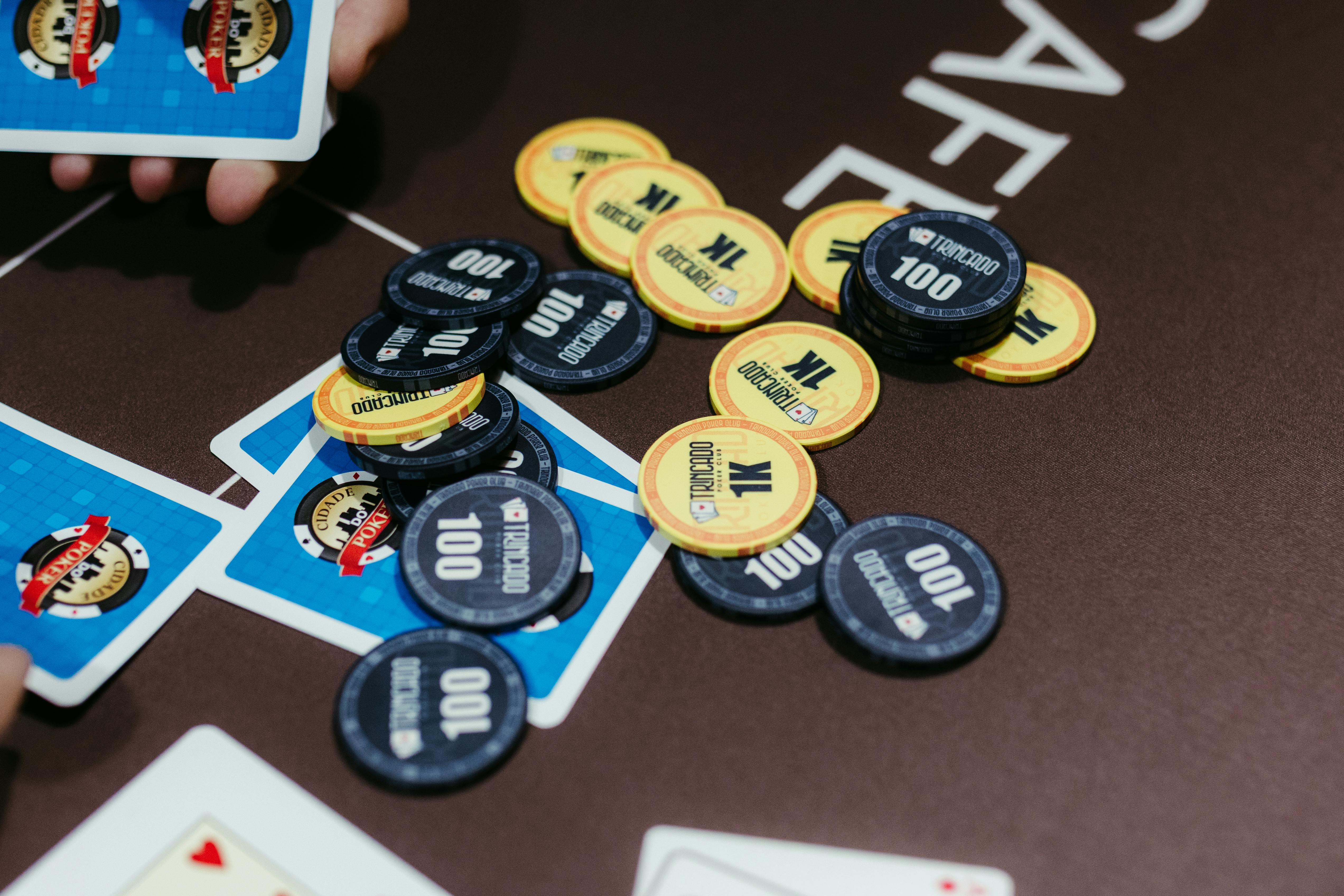
Most halls focus on blackjack, roulette, and baccarat. Classic seven-seat blackjack tables feature timed decisions and Bet Behind when seats are full; infinite variants remove seat limits entirely. Roulette wheels range from single-zero to immersive multi-camera experiences, while speed roulette quickens the pace. Baccarat tables include traditional punto banco with squeeze rituals, and some studios add Dragon Tiger or Sic Bo with real dice. Game show hybrids like Dream Catcher and Crazy Time mix money wheels with bonus rounds hosted by energetic presenters, adding a lighter, entertainment-first atmosphere. Each format alters the pace and side bet options, so we decide based on whether we want strategic depth or pure spectacle.
Most loyalty schemes track live dealer wagers in the same way as slots, even if earn rates may differ. Points typically accumulate on total wagered, as opposed to won or lost. Low-house-edge games like blackjack can create steady point accrual over extended sessions. We check terms for any reduced contribution percentages. Periodic live-casino tournaments introduce a competitive edge, ranking players by wagered amount or rounds played. We participate selectively, sticking to familiar tables to avoid inflating bets for leaderboard position. Consistency inclines to outperform volume spikes; regular moderate sessions yield steadier point accumulation and sustain decision quality. The chat from time to time announces tournament updates, with dealers congratulating top-ranked players, boosting community engagement.
The rise of live dealer gaming shows demand for authenticity that pure software is unable to match. Streaming quality now rivals broadcast television, with studios investing in set design, lighting, and audio engineering. A demographic shift sees mobile-first players seeking tactile experiences without departing from their devices. Many studios feature dealers fluent in multiple languages, widening accessibility. Regulatory frameworks have evolved, with specific technical standards for optical recognition, shuffle protocols, and dealer conduct, offering players clear compliance benchmarks. The result is a product that even sceptical newcomers can judge against published audit reports. We consider the live dealer lobby as the closest approximation to a casino resort night at home—real cards, physical wheels, and trained professionals under live scrutiny, appealing to those who prize clarity and shared moments.